Thurman Munson Net Worth: What the Yankees Legend Was Worth and Why It’s Hard to Measure
When people search for Thurman Munson’s net worth, they’re usually trying to translate a legendary 1970s baseball career into modern financial terms. That isn’t easy. Munson played during a turning point in Major League Baseball, when salaries were rising rapidly but still nowhere near today’s levels, and when athletes’ personal finances were rarely made public. What we can do is look at the most reliable pieces of information—his contracts, major purchases, and the economic realities of his era—and explain why any final number should be viewed as an informed estimate rather than a fixed fact.
Who Was Thurman Munson?
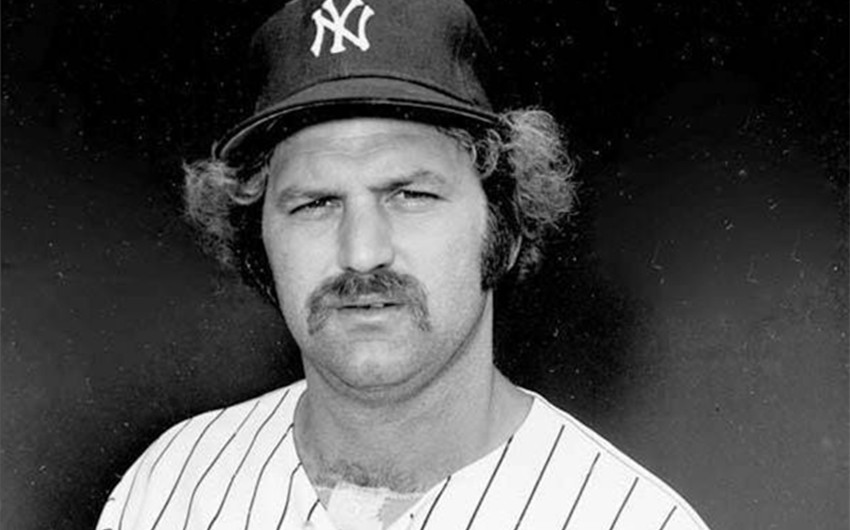
Thurman Munson was more than just a star catcher for the New York Yankees—he was the emotional center of the team during the 1970s. Drafted by the Yankees in 1968, Munson quickly established himself as one of the best catchers in baseball. He won American League Rookie of the Year in 1970, later earned AL MVP honors, and became the first Yankees captain since Lou Gehrig.
Known for his toughness, leadership, and willingness to play through pain, Munson helped guide the Yankees to multiple pennants and two World Series championships. His career, and his life, ended tragically in 1979 when he died in a plane crash at just 32 years old. That sudden loss is central to any discussion of his finances, because it cut short both his playing career and his future earning potential.
Thurman Munson’s MLB Career and Achievements
Munson spent his entire Major League career with the Yankees, an increasingly rare distinction even then. Over 11 seasons, he became a fixture behind the plate and in the clubhouse. He was selected to seven All-Star teams, won three Gold Gloves, and finished his career with a .292 batting average—exceptional numbers for a catcher.
Just as important was his role as a leader. Teammates consistently described Munson as the person who set the tone, demanded accountability, and carried the weight of the team during high-pressure moments. That reputation explains why fans still discuss his legacy decades later, and why curiosity about his net worth persists.
Thurman Munson’s Salary During His Playing Career
To understand Munson’s financial standing, it’s essential to start with what he earned as a player.
When the Yankees drafted Munson in 1968, he received a signing bonus reported at $70,000. For a young player at the time, that was a substantial sum and an early sign that the organization viewed him as a cornerstone.
As free agency reshaped baseball economics in the mid-1970s, Munson’s salary rose sharply. In 1977, he signed a five-year contract that paid him $250,000 per season—a top-tier salary for that era. By the late 1970s, his earnings increased further. Reports tied to his final contract years list salaries of more than $400,000 for 1978 and roughly $375,000 per year for the seasons that followed.
While these numbers may look modest by today’s standards, they placed Munson among the better-paid players of his time, especially for a catcher. In the late 1970s, only a small group of stars earned salaries at that level.
Endorsements and Off-Field Income
Unlike modern athletes, Munson played before endorsements became a major income stream for most players. Television exposure was more limited, marketing opportunities were fewer, and many players—Munson included—were not interested in building public brands.
There is no strong evidence that Munson pursued or relied heavily on endorsement deals. That doesn’t mean he had none, but it does suggest that the bulk of his income came directly from baseball. This is an important distinction, because it prevents modern assumptions from inflating historical net worth estimates.
What Was Thurman Munson’s Net Worth at the Time of His Death?
There is no officially verified figure for Thurman Munson’s net worth at the time of his death. Most numbers circulating online are estimates, often repeated without clear sourcing.
A more responsible way to approach the question is by looking at ranges rather than a single figure. By the late 1970s, Munson was earning several hundred thousand dollars per year, had already collected a sizable signing bonus earlier in his career, and had the earning power of a top MLB star.
Taking into account income, taxes, living expenses, and savings, historians and analysts often place athletes of Munson’s stature in the low millions of dollars by the end of their careers—measured in late-1970s dollars. Adjusted for inflation, that could translate into the high single-digit millions today. Still, this remains an estimate, not a documented total.
Assets and Major Purchases
One of the clearest indicators of Munson’s financial capacity was his ownership of significant assets. The most notable example was his purchase of a seven-seat jet, reportedly valued at around $1.2 million at the time.
That figure alone doesn’t mean Munson paid the full amount outright, as aircraft are often financed or leased. Still, it demonstrates access to substantial resources and a level of wealth that went beyond basic living expenses. It also reflects the lifestyle choices available to elite athletes at the time, even if those choices came with risk—as tragically illustrated by the circumstances of his death.
Other investments, such as real estate or long-term savings, are not well documented publicly. Financial planning for athletes in the 1970s varied widely, and the robust wealth-management structures common today were not yet standard.
The Financial Impact of His Tragic Death
Munson’s death had a profound financial impact on his estate and family. At 32, he was still under contract and performing at a high level. He likely had several more productive seasons ahead of him, along with the possibility of coaching, broadcasting, or other baseball-related roles after retirement.
From a financial perspective, the greatest loss was not what he had already earned, but what he never had the chance to earn. Comparing his net worth to that of players who enjoyed long careers and post-playing opportunities will always understate his potential.
Thurman Munson’s Family and Estate
Munson was married to Diana Dominick, and together they had three children. While details of how his estate was structured are not publicly detailed, it’s clear that his passing left his family to manage both the emotional loss and the financial responsibilities tied to his career and assets.
The Yankees organization and the broader baseball community honored Munson extensively after his death, reinforcing his importance not just as a player, but as a person.
Thurman Munson’s Legacy Beyond Net Worth
Ultimately, Munson’s legacy is not defined by money. His number was retired by the Yankees, and his plaque in Monument Park places him among the franchise’s most revered figures.
When fans search for his net worth, they are often seeking context—trying to understand how successful he was and how his career compares to others. But Munson’s true value lies in his leadership, his impact on teammates, and the standard he set during a turbulent era in Yankees history.
Featured Image Source: imaginesports.com